
Shopping Basket
When planning a bathroom renovation, choosing your basin area setup is one of the most important decisions you will make. It serves as a daily focal point and handles the bulk of your storage needs. If you are browsing modern bathroom vanity units, you will inevitably face a core design choice: wall hung vs floor standing vanity units.
A wall hung vanity unit is anchored directly to the wall, leaving the floor space underneath completely clear. A floor standing vanity unit sits directly on the bathroom floor, maximizing vertical space from the ground up. Both styles offer distinct benefits, and the right choice depends on your bathroom size, plumbing setup, and style preferences.
Storage Capacity and Organisation
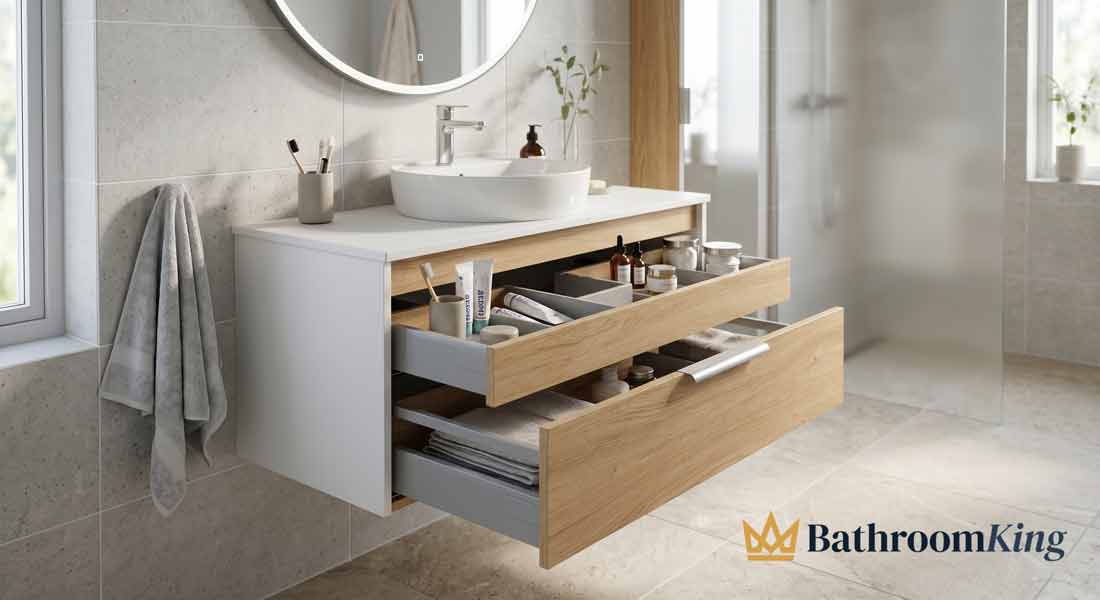
If maximizing storage space is your primary goal, floor standing vanity units are usually the clear winner. Because they sit directly on the floor, they utilize the entire vertical space underneath the basin. This makes them perfect for busy family bathrooms where you need to hide away large bottles, towels, and cleaning supplies.
Wall hung vanity units still offer excellent storage, usually in the form of deep, pull-out drawers. While you lose the bottom few inches of storage space to keep the floor clear, the drawer layouts in modern bathroom furniture are often highly optimized with internal dividers, making it easy to organize smaller everyday essentials.
Cleaning and Maintenance
Keeping a bathroom hygienic is a top priority for UK homeowners. Wall hung units offer a massive advantage here. With the unit suspended off the ground, you can easily mop, vacuum, or sweep the entire floor surface underneath. There are no awkward corners or seals where dust and moisture can accumulate.
Floor standing units create a footprint on your floor. This means you will need to clean around the base and ensure the silicone seal between the unit and your flooring remains intact to prevent water ingress. If you choose a traditional paneled floor standing unit, it may also require a bit more dusting compared to the sleek, minimalist surfaces of wall hung alternatives.
Installation and Plumbing Requirements
Installation is a crucial factor where these two styles differ significantly. Floor standing vanity units are generally easier and cheaper to install. They support their own weight, meaning they only need to be secured to the wall to prevent tipping. They are also excellent for hiding existing pipework that comes up through the floor.
Wall hung units require a sturdy, load-bearing wall. If you are fixing to a stud or plasterboard wall, your installer will need to create extra timber reinforcement (called noggin support) inside the wall frame to bear the weight of the unit and the water-filled basin. Additionally, your plumbing will need to be routed through the wall rather than the floor to keep the underside completely tidy.
Bathroom Size and Space Optimization
The layout and size of UK bathrooms are often compact, making space optimization essential. Wall hung vanity units are a secret weapon for small bathrooms, en-suites, and cloakrooms. By exposing more floor tile, they trick the human eye into perceiving the entire room as larger and more open. Light can flow underneath the furniture, creating an airy feel.
For larger family bathrooms, floor standing units provide a sense of luxury, presence, and stability. They anchor the room visually and fill larger spaces perfectly without making the bathroom look sparse or unfinished.
Modern vs Traditional Design Aesthetics
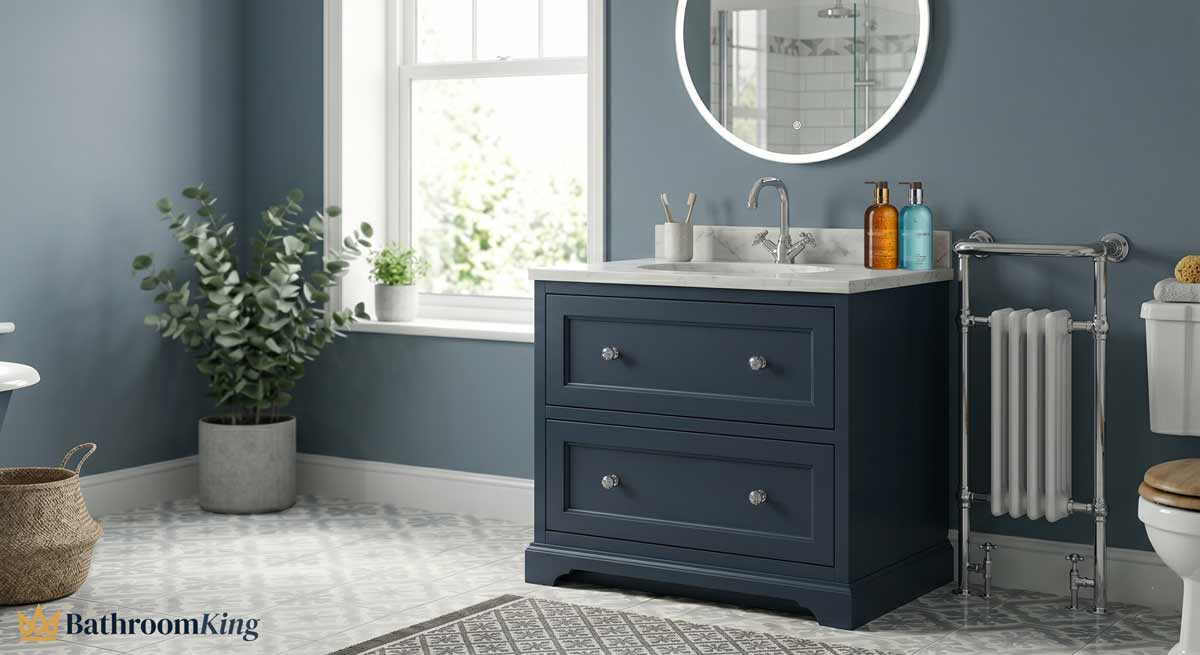
Your choice of vanity unit will heavily influence the design direction of your space. Wall hung units are synonymous with modern, minimalist, and boutique hotel style bathrooms. They pair beautifully with sleek, handleless designs and wall-mounted taps.
Floor standing units offer incredible versatility. While there are plenty of sleek, handleless modern variants, the floor standing format is also the go-to choice for traditional, shaker, and period style bathrooms. If you want to complement your vanity with matching traditional furniture or coordinated WC units, a floor standing range offers timeless appeal.
Durability and Structural Integrity
Both styles are built to handle moisture-heavy bathroom environments, provided they are made from high-quality, water-resistant MDF or MFC. Floor standing units carry no risk of structural sagging over time because the weight rests securely on the floor. Wall hung units are exceptionally secure when fitted correctly, but they do rely entirely on the quality of the initial wall installation and fixing brackets.
Vanity Unit Comparison Table
To help you weigh up your options quickly, here is a breakdown of how the two styles compare across key categories:
| Feature | Wall Hung Vanity Units | Floor Standing Vanity Units |
|---|---|---|
| Storage Space | Moderate (optimized drawers) | Maximum (full height cabinet) |
| Ease of Cleaning | Excellent (easy to clean underneath) | Moderate (must clean around base) |
| Installation Complexity | Higher (requires strong wall support) | Lower (rests on floor) |
| Best For | Small bathrooms and modern styles | Larger bathrooms and traditional styles |
| Visual Impact | Creates a spacious, floating look | Creates a solid, grounded focal point |
Conclusion: Which Should You Choose?
There is no single correct answer in the debate between wall hung vs floor standing vanity units. If you have a compact bathroom, prefer minimalist design, and want an easy-to-clean floor, a wall hung unit is an exceptional choice. If storage capacity is your absolute priority, or if you prefer a traditional aesthetic with a simpler installation process, a floor standing unit is likely the best option for your home.
Ready to upgrade your bathroom? Explore our extensive collection of premium vanity units and matching bathroom furniture to find the perfect fit for your space today.
Comments (0)